
SanDisk WD_BLACK SN8100 2TB SSD Review
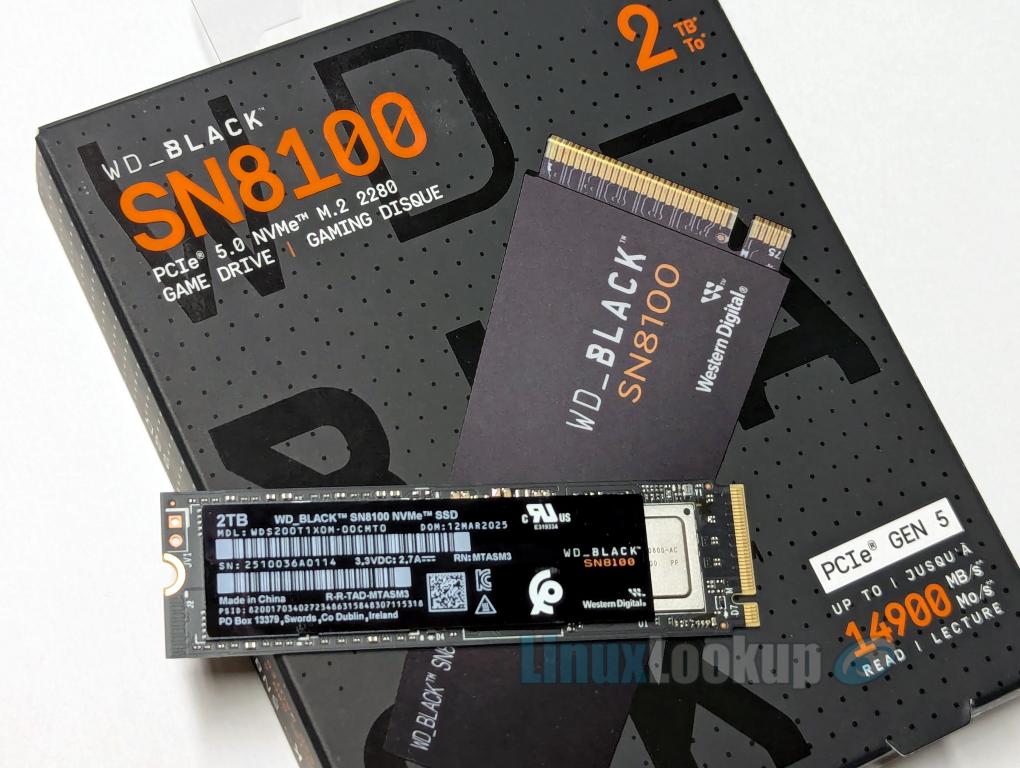
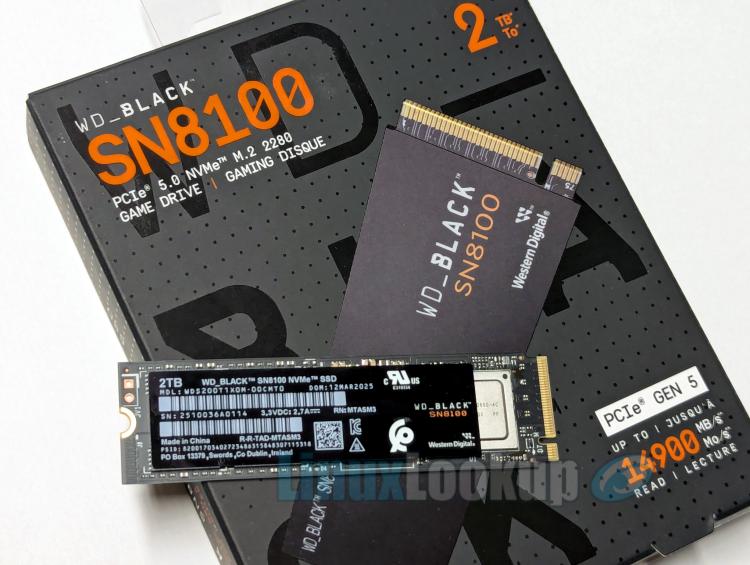
The SanDisk WD_BLACK SN8100 2TB NVMe SSD is a PCIe Gen5 flagship drive, offering high-end performance and strong power efficiency for everything from intensive Linux gaming sessions to demanding creative and professional workloads.
In this review, we'll highlight the defining characteristics of this NVMe solid-state drive (SSD) and provide Linux performance benchmarks.
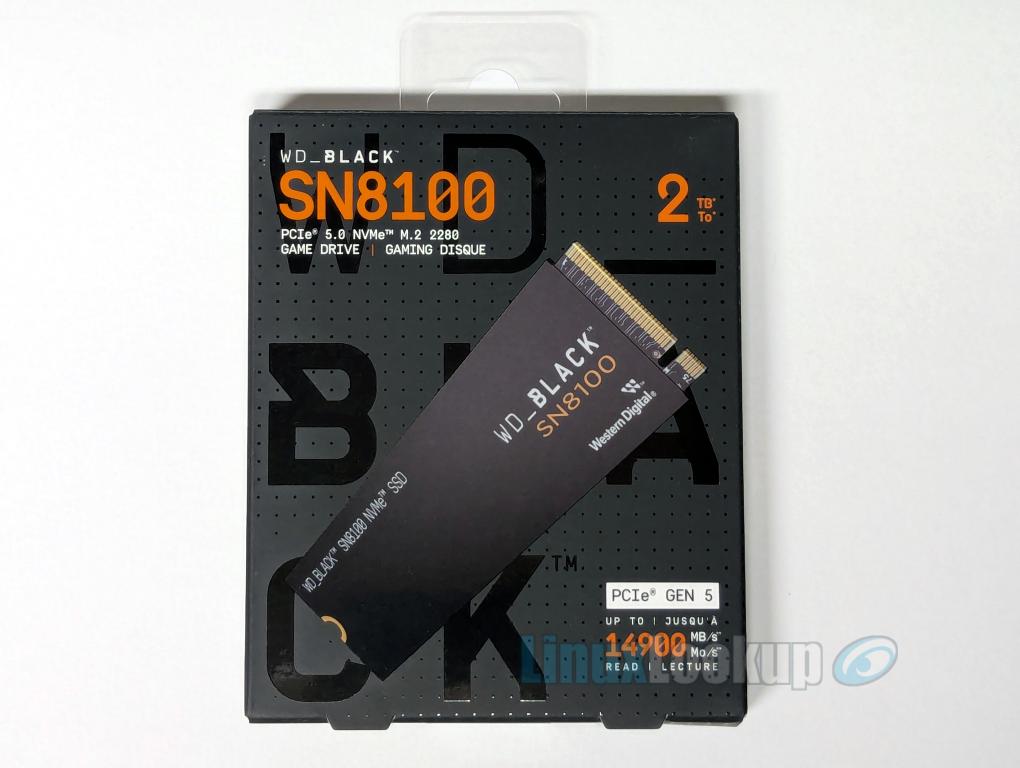
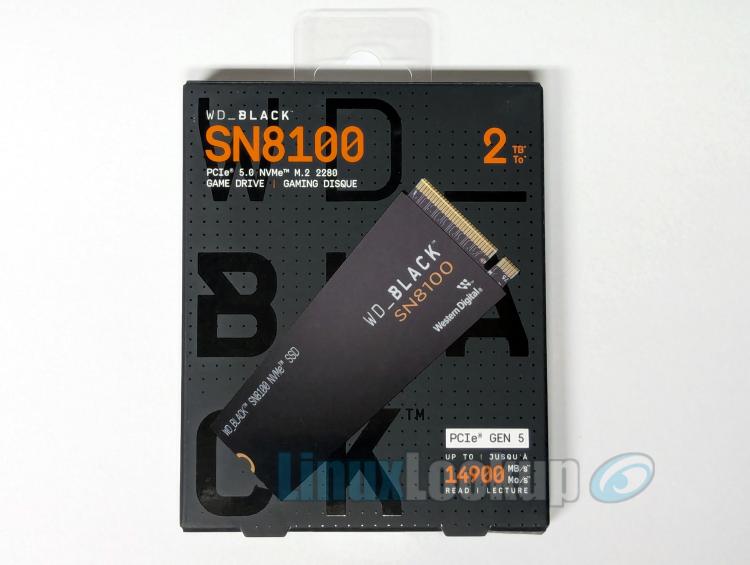
On February 21, 2025, Western Digital completed the spin-off of its Flash business, separating it into the now independent public company SanDisk. As a result, Western Digital continues to focus on high-capacity HDDs, while all of its flash based storage products are now marketed under the SanDisk name. As shown, the product we received carries the previous WD branding. During this transition period, consumers may encounter either branding in retail channels, so there is no cause for concern if the packaging differs.
The SanDisk WD_BLACK SN8100 2TB NVMe SSD (non-heatsink) is available in 1TB, 2TB, 4TB, and 8TB capacities, with MSRPs set at $191.99, $297.99, $531.99, and $1,117.99. At the time of writing, the 2TB model featured in this review is listed by several retailers at $249.99 with free shipping.
The high-performance nature of PCIe Gen5 SSDs results in increased power consumption and thermal output, making effective cooling essential. While most quality motherboards include a heatsink for the primary M.2 slot, systems without adequate cooling will benefit from choosing the SN8100 variant that includes an integrated heatsink at a slight price premium.
Performance across the WD_BLACK SN8100 Series scales modestly with capacity, with all four models sharing identical Sequential Read performance of up to 14,900MB/s. Differences emerge in Random Read throughput, where the 1TB model is rated at up to 1.6M IOPS, while the 2TB and 4TB variants represent the performance peak with ratings of up to 2.3M IOPS. The 8TB model trails slightly at up to 2.2M IOPS.
Write performance follows a similar tiered pattern. The 1TB drive carries a lower Sequential Write rating of up to 11,000MB/s, while the 2TB and 4TB models again sit at the top with ratings of up to 14,000MB/s. The 8TB model is marginally lower at up to 13,200MB/s, while Random Write performance remains consistent across all capacities at up to 2.4M IOPS.
Performance remains strong across the entire lineup, so each model stands as a compelling option. At a glance details are outlined in the table below. Highlighted is the WD_BLACK SN8100 2TB model, which is the focus of this Linux review.
| SanDisk WD_BLACK SN8100 SSD | 1TB | 2TB | 4TB | 8TB |
| Sequential Read (Max, MB/s) | 14,900 | 14,900 | 14,900 | 14,900 |
| Sequential Write (Max, MB/s) | 11,000 | 14,000 | 14,000 | 13,200 |
| Random Read (Max, IOPS) | 1.6M | 2.3M | 2.3M | 2.2M |
| Random Write (Max, IOPS) | 2.4M | 2.4M | 2.4M | 2.4M |
The SN8100 represents the first PCIe Gen5 x4 NVMe SSD in the WD_BLACK lineup, succeeding the flagship PCIe Gen4 x4 SN850X. While the two drives are based on different platform generations and are not directly comparable, users upgrading from the SN850X can expect a substantial performance uplift, particularly in sequential workloads, alongside a significant improvement in power efficiency.
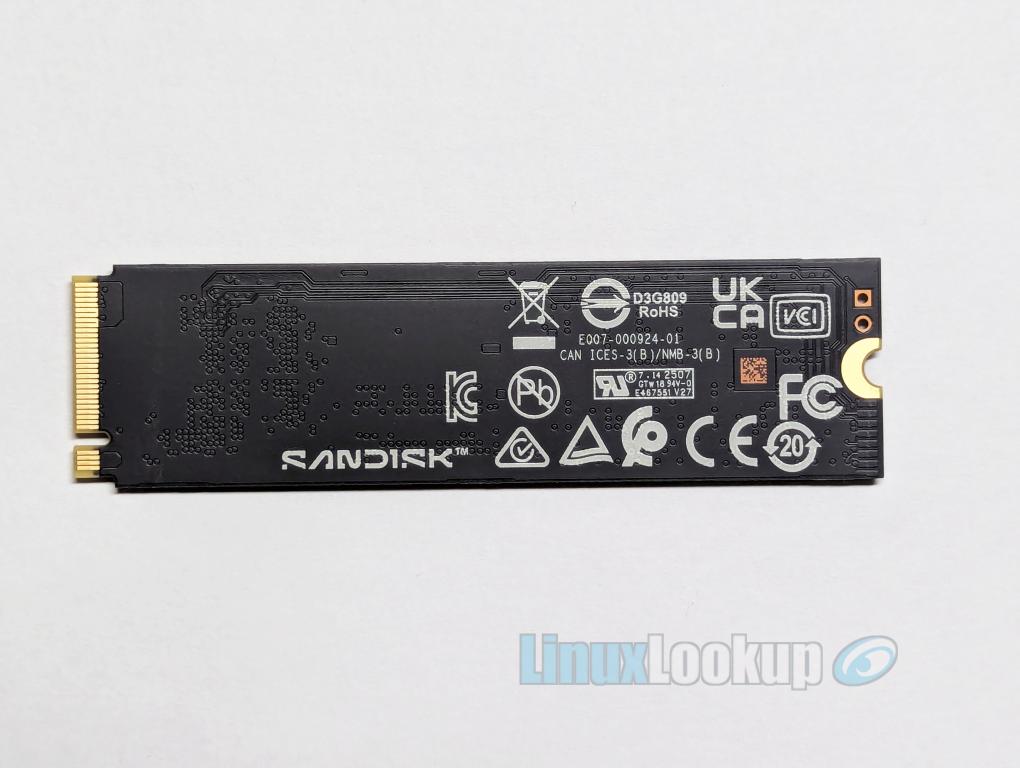
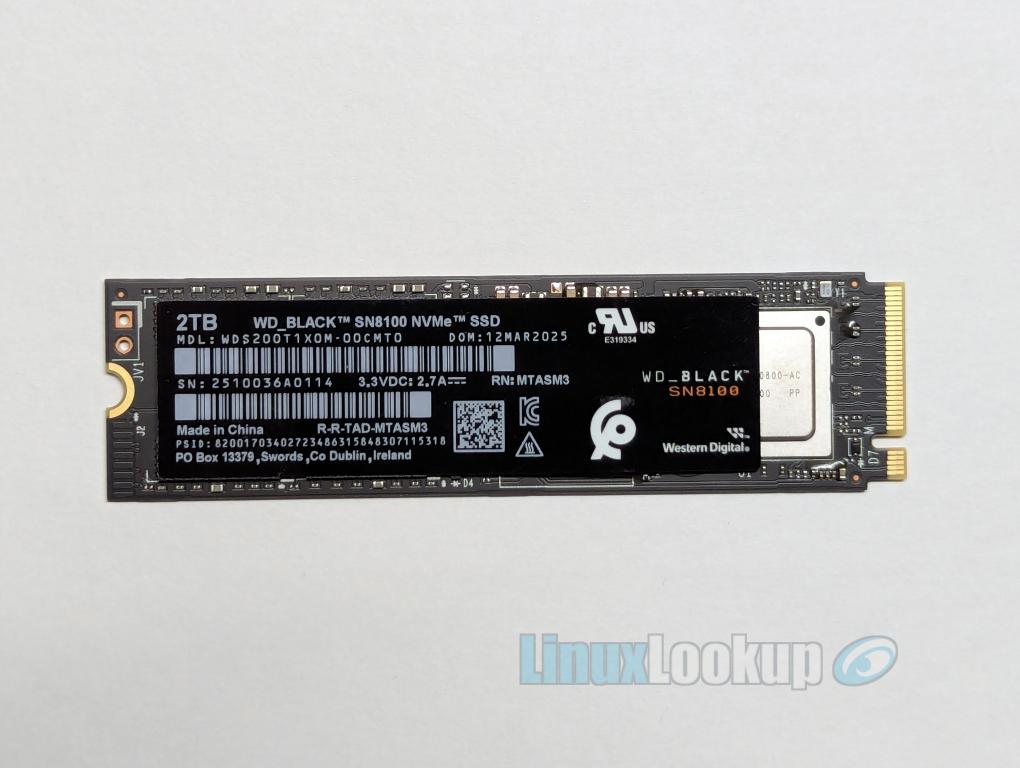
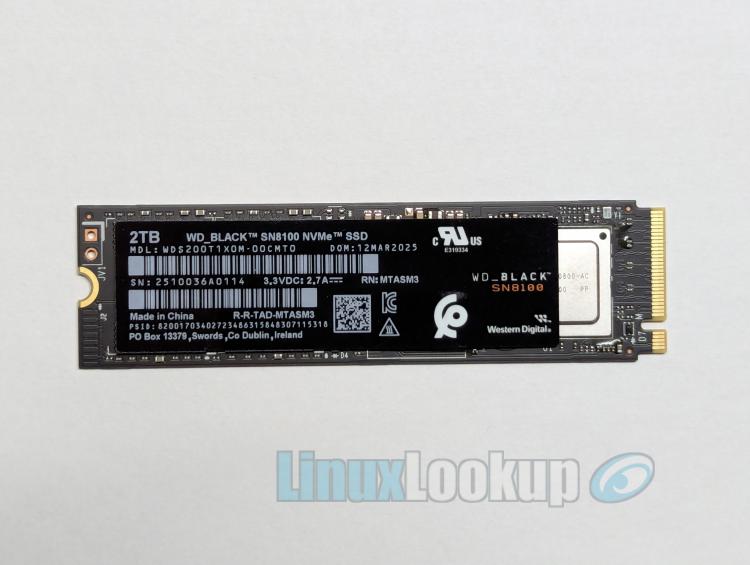
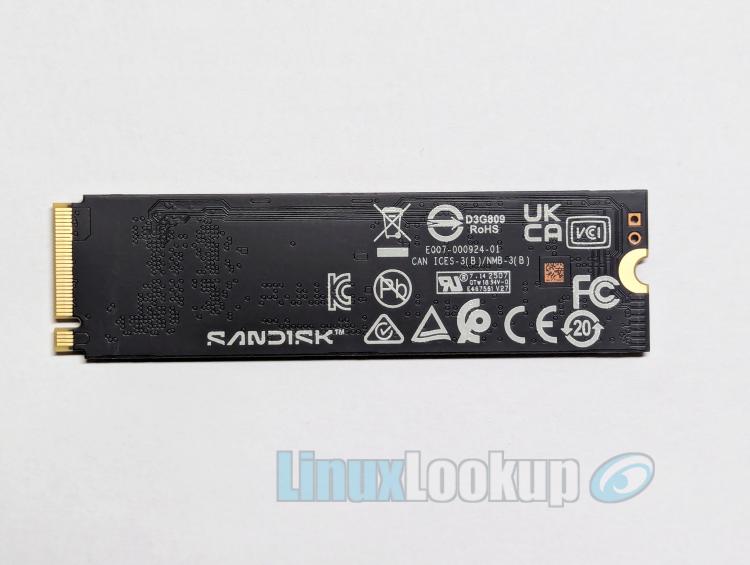
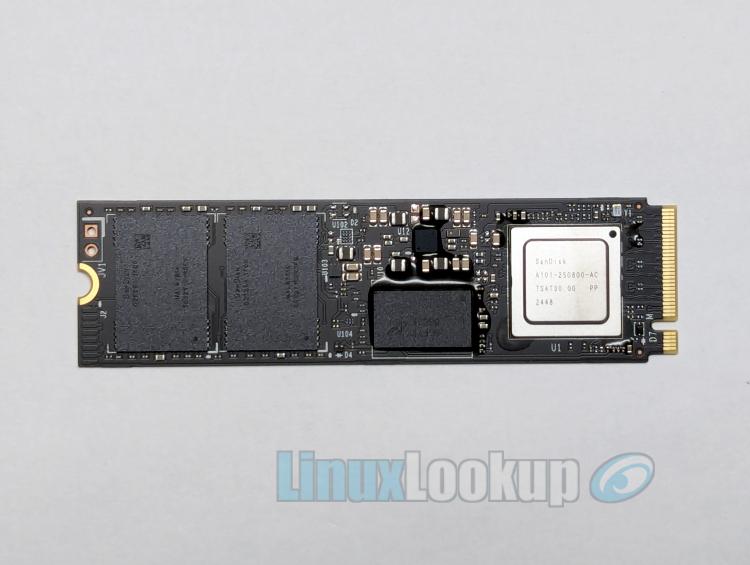
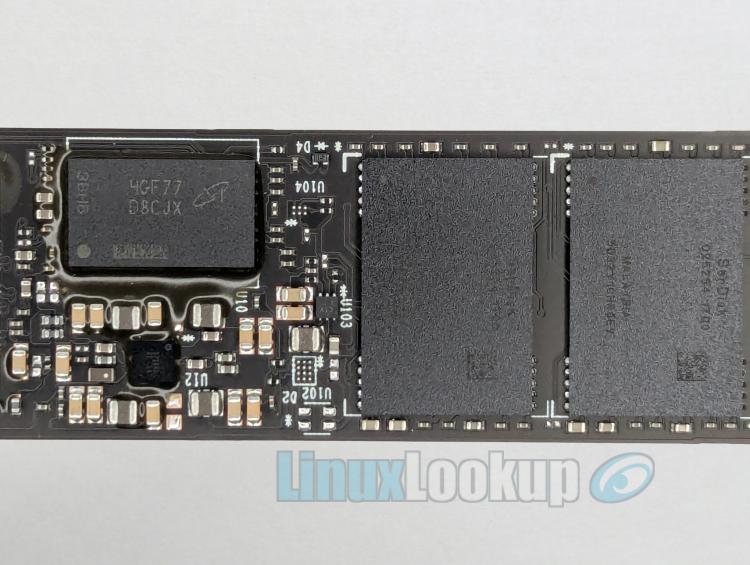
Physically, the SanDisk WD_Black SN8100 2TB SSD uses the standard M.2 2280 form factor and connects via a PCIe Gen5 x4 interface with NVMe 2.0 protocol. Its single-sided layout places all critical components on one side of the printed circuit board (PCB), making it well suited for slim laptops and space constrained systems while also ensuring optimal thermal contact with system heatsinks.
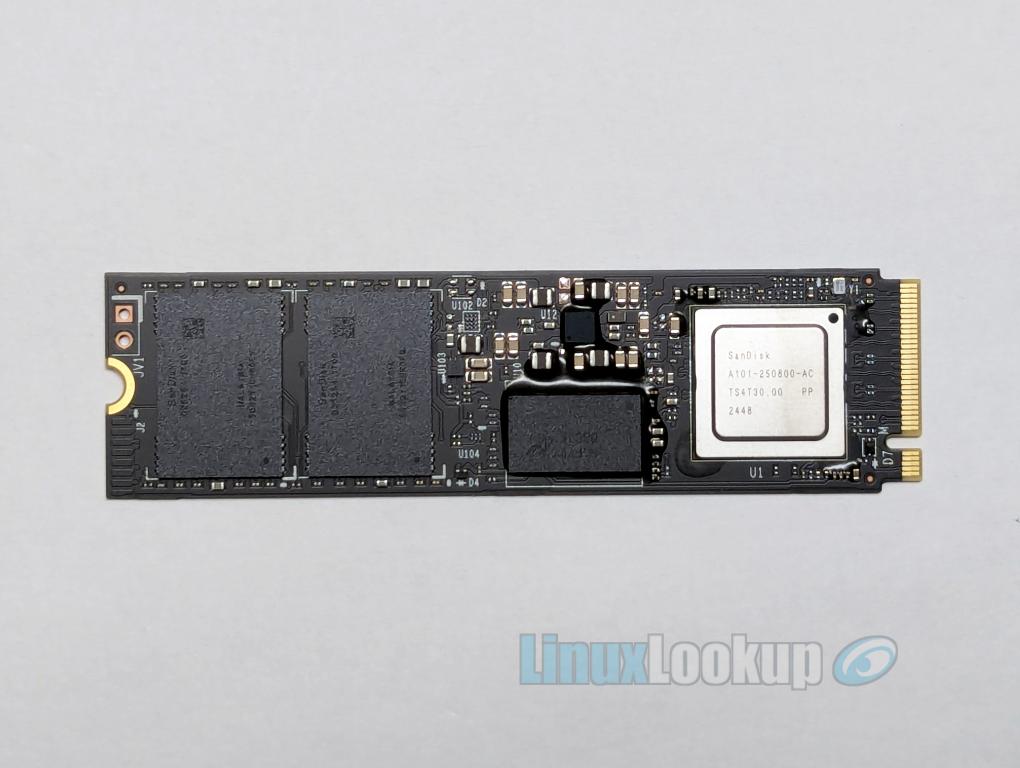
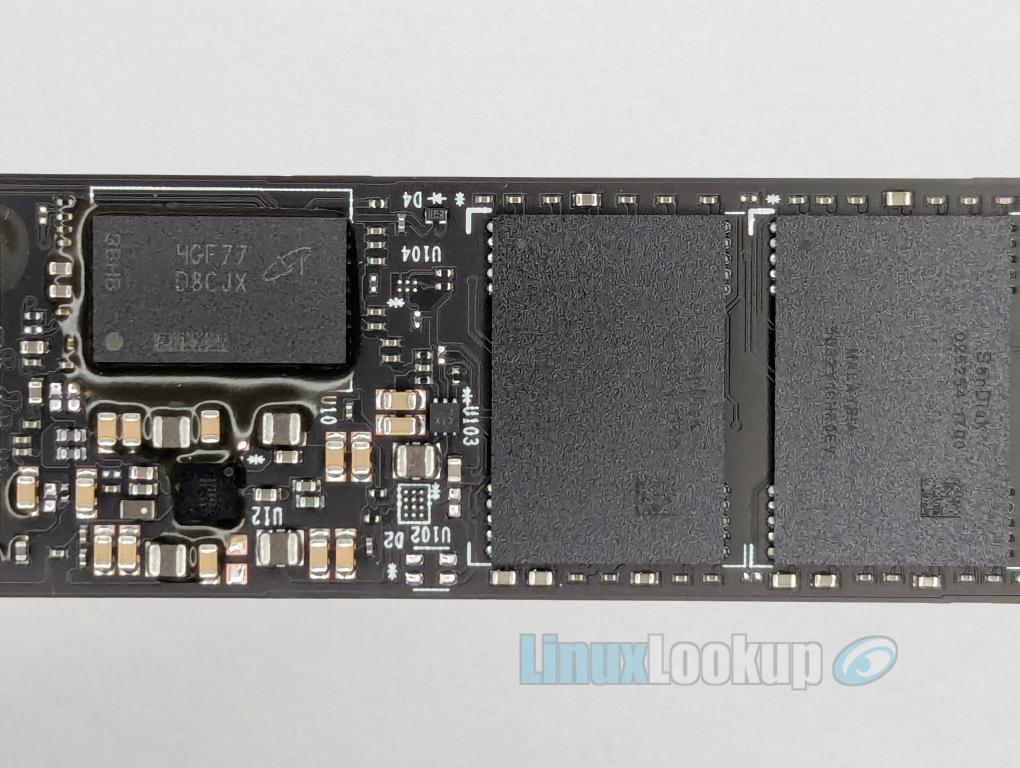
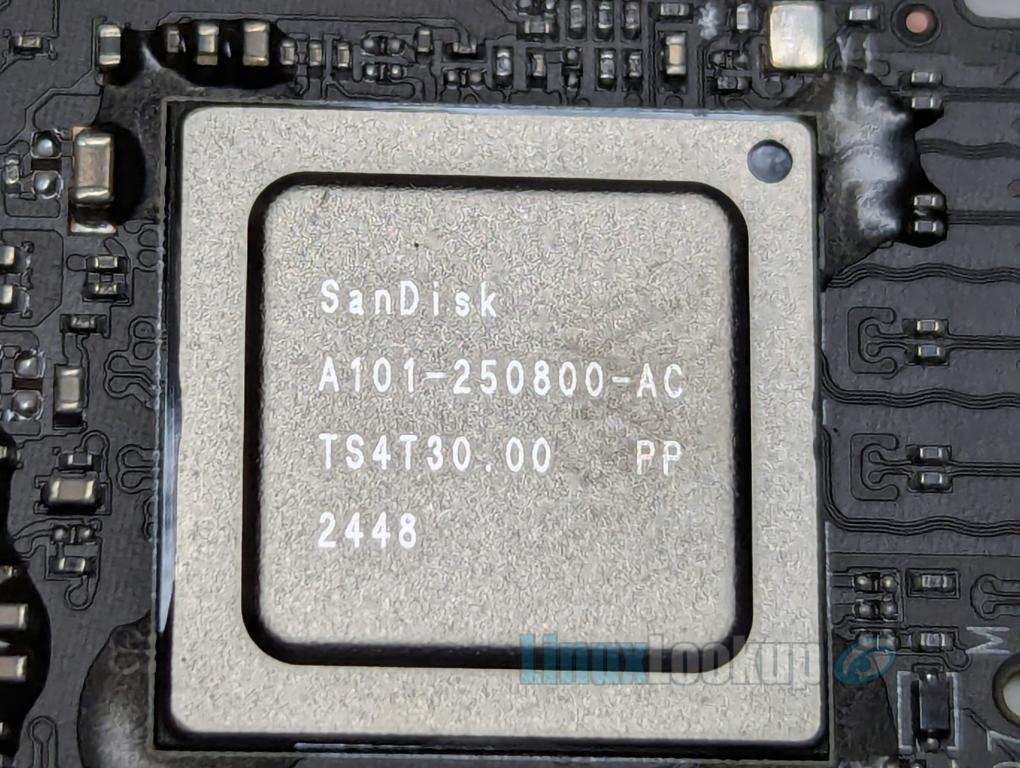
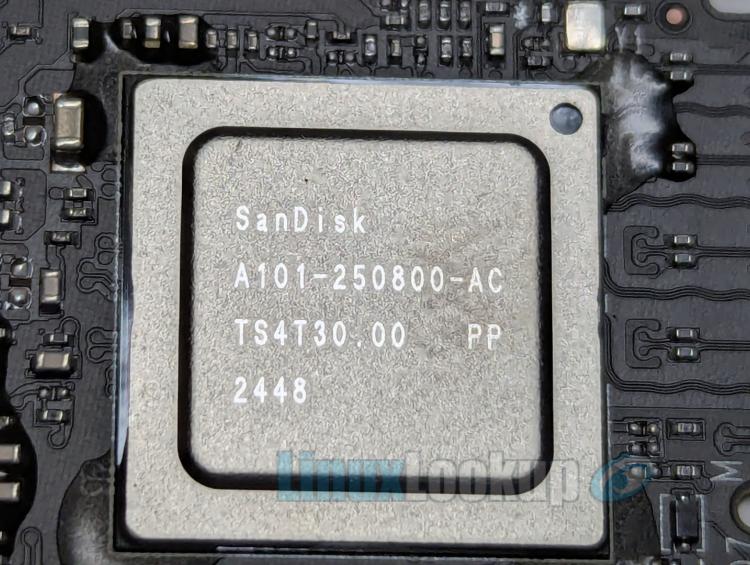
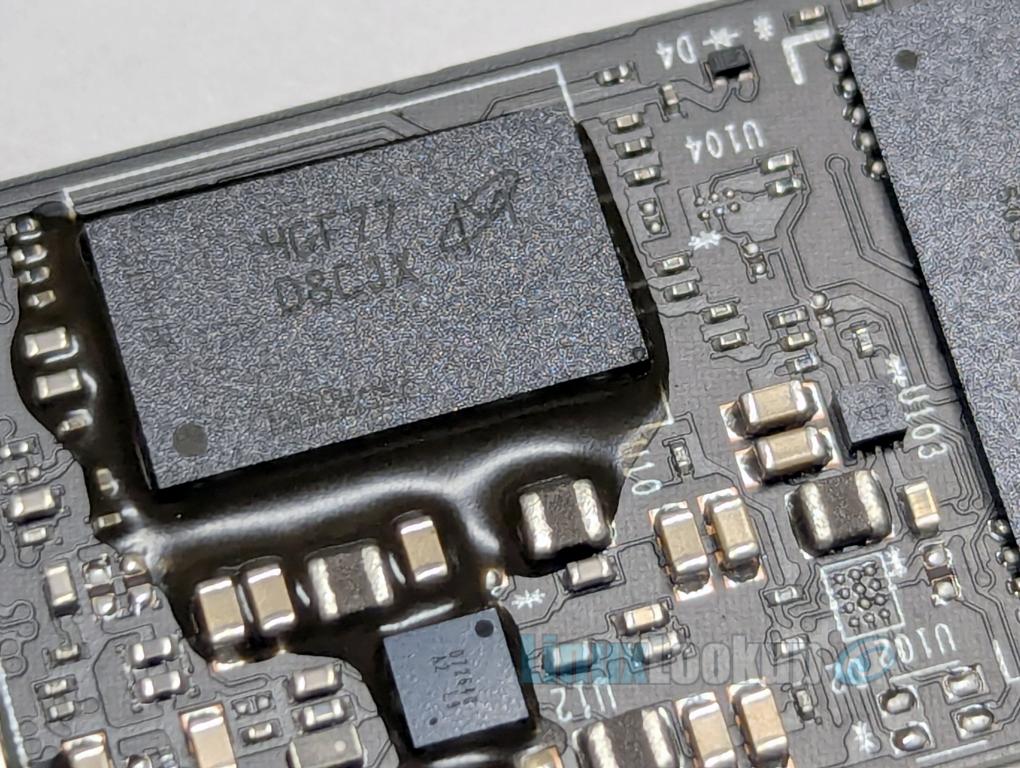
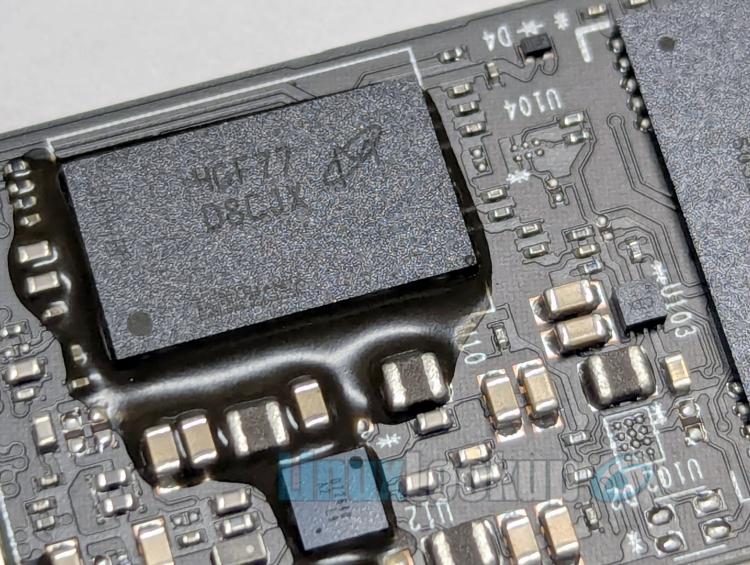
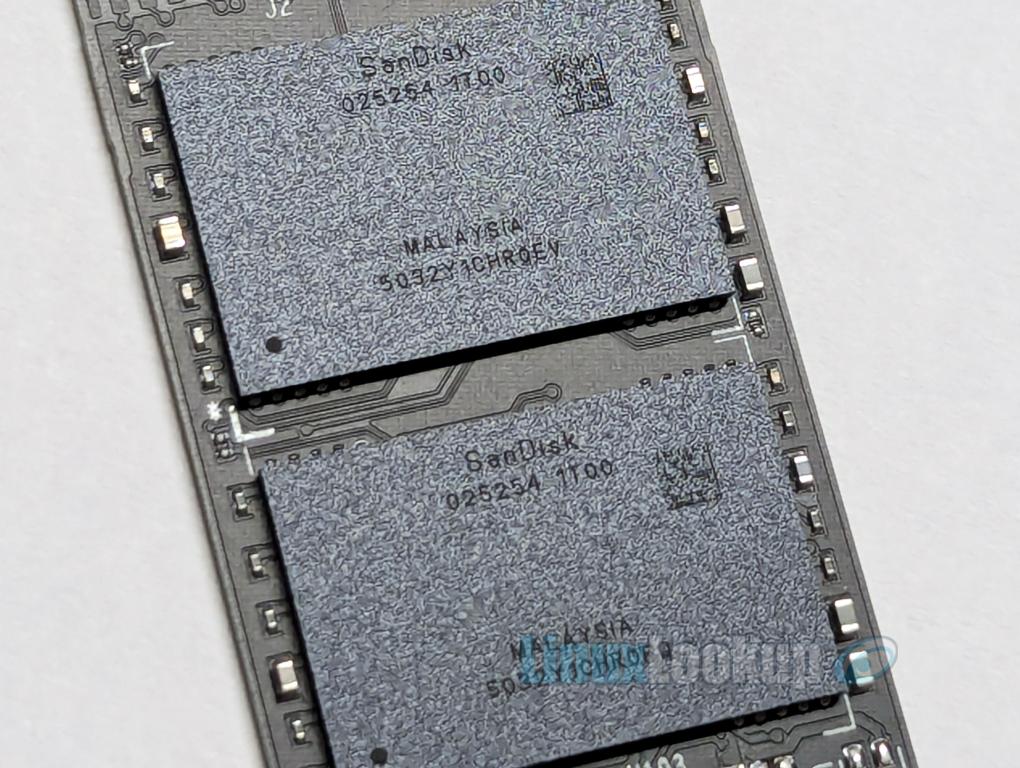
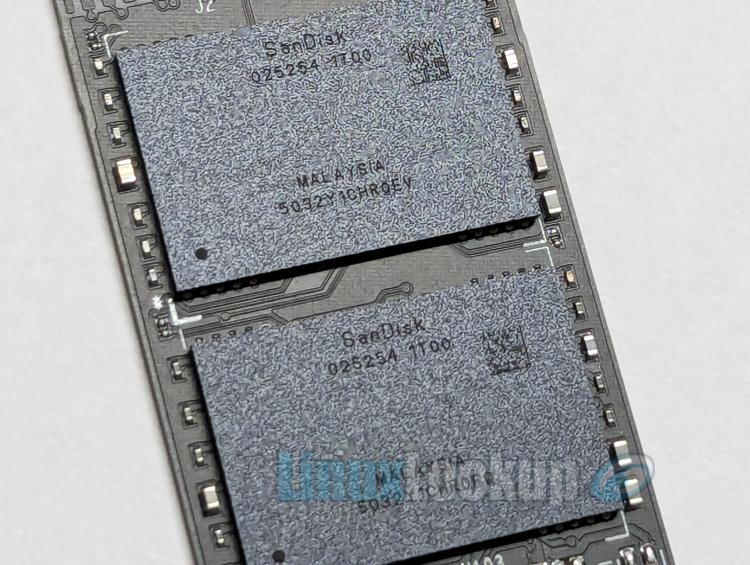
Removing the front label reveals the internal layout, showing that SanDisk employs a custom controller based on the Silicon Motion SM2508 Gen5, along with Micron D8CJX (MT40A1G16TB-062E:F) DDR4 used for caching (1 GB per 1 TB of NAND) and two SanDisk BiCS8 (025254 1100) TLC 3D CBA NAND flash packages for storage.
All SN8100 models share a calculated life expectancy, or Mean Time To Failure (MTTF), of 1.7 million hours. While endurance increases with capacity, the 2TB model is rated for 2,400 TBW (Terabytes Written), which equates to 0.658 Drive Writes Per Day (DWPD) or roughly 1315 GB/day over five years, all backed by a SanDisk five-year limited warranty.
Features
Highlight summary:
- AES-256 encryption with TCG Opal 2.02
- Microsoft DirectStorage optimized firmware
- Dynamic write acceleration
- Multistep data integrity algorithm
- Adaptive thermal protection
- Integrated power loss immunity
- Active garbage collection & TRIM support
- Self-monitoring and reporting technology (SMART)
- Supports NVMe low power modes (L1.2)
- Error correction code (ECC)
- SanDisk (Kioxia 8th Gen) BiCS8 TLC 3D CBA NAND
- SanDisk nCache 4.0
- SanDisk Game Mode
- 5 year limited warranty
Specifications
- Type: M.2 2280 (single-sided)
- Dimensions: 80mm x 22mm x 2.38mm (LWH)
- Weight: 7.5g
- Flash Controller: Silicon Motion SM2508 Gen5
- Flash Type: SanDisk BiCS8 TLC 3D CBA NAND
- Interface: PCIe Gen5
- Acoustics: 0dB
- Mean Time Between Failures (MTBF): 1.7M Hours
- Terabytes Written (TBW): 2,400
Performance
Our SSD Linux performance benchmark process does not evaluate drives in a Fresh-Out-of-Box (FOB) state. Most manufacturers specify I/O performance based on FOB benchmarks because the drive has not yet undergone any sustained workload. As a result, these performance measurements from a FOB state tend to be uncharacteristically high. Instead, to provide more accurate measurements, we precondition the drive to a steady state before running our Linux benchmarks. Steady state is achieved by issuing a series of random and sequential preconditioning operations. Although this process takes several hours, the benchmark results are more consistent and reflect real-world performance.
Advertised performance
- Model: WDS200T1X0M-00CMT0
- Sequential Read: 14,900 MB/s
- Random Read: 2.3M IOPS
- Sequential Write: 14,000 MB/s
- Random Write: 2.4M IOPS
Test System
Linux performance benchmarks were preformed under Arch Linux.
- Processor: AMD Ryzen 7 9700X
- Motherboard: GIGABYTE X870E AORUS ELITE WIFI7
- Memory: 64GB DDR5-6000
- OS: Arch Linux
- Kernel: 6.18.0
- Interface: PCIe Gen5 x4
- SSD Firmware Version: 810YRC03
The SanDisk Dashboard software includes a Game Mode designed to improve performance for gaming workloads, though the software as of version 5.1.2.2 is not compatible with Linux.
Note: Linux performance benchmarks were also run against Ubuntu 24.04.3 LTS (Noble Numbat) with kernel version 6.14.0-32-generic. However, better performance is achieved when using a newer Linux kernel, the 6.18.0 results are shown below.
Temperatures
Adaptive thermal protection safeguards the SN8100 SSD, with a warning threshold of 90C (194F) and a critical threshold of 94C (201F) according to the SMART attributes.
Drive temperature was recorded at 26C (78F) when idle, fluctuating between 49C~71C (120F~159F) under sustained workloads, and hit a maximum peak of 79C (174F) during benchmarks. These results will vary depending on your choice of M.2 heatsink and system cooling.
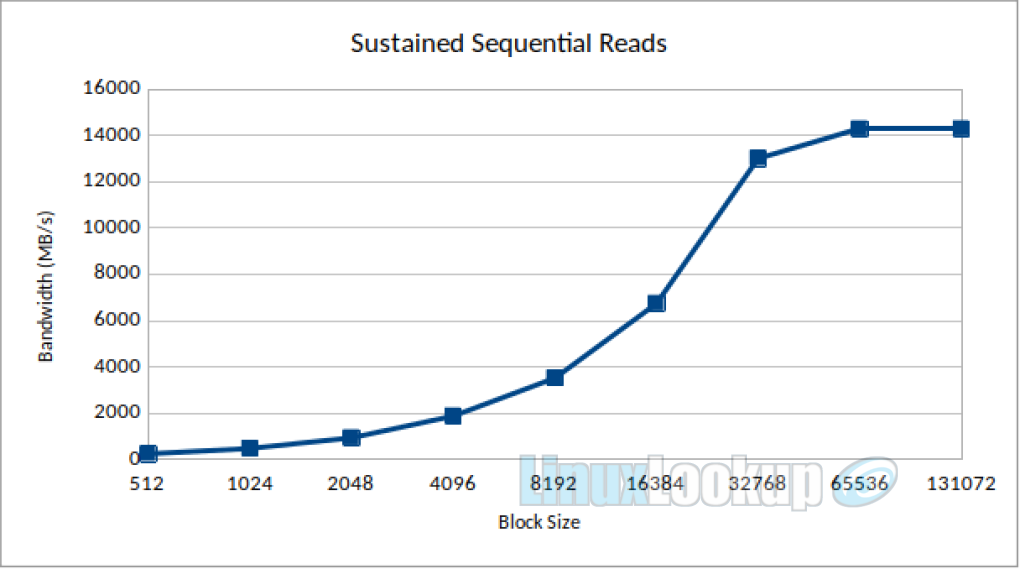
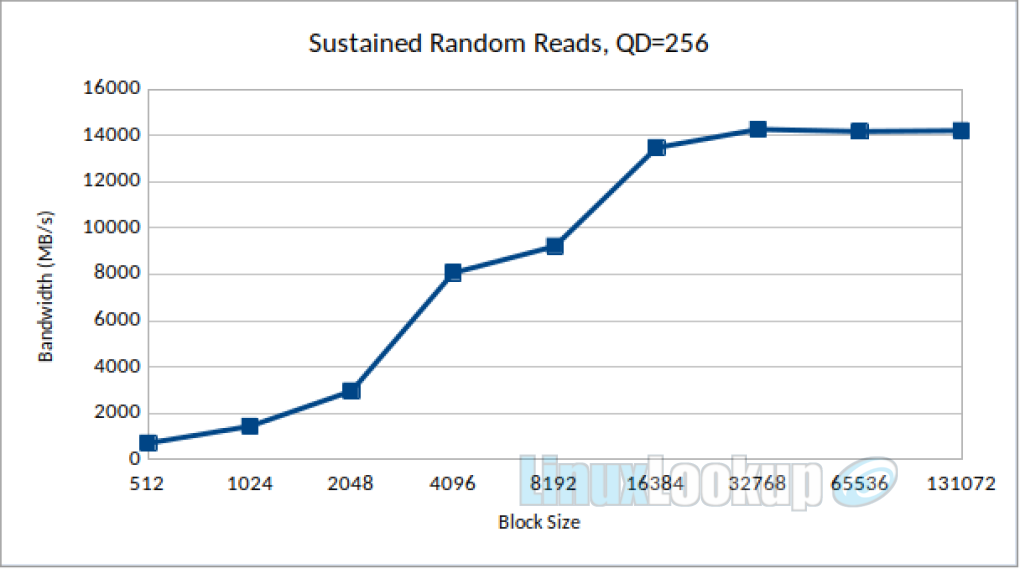
Sequential Reads compared to Random Reads with Identical Block Sizes
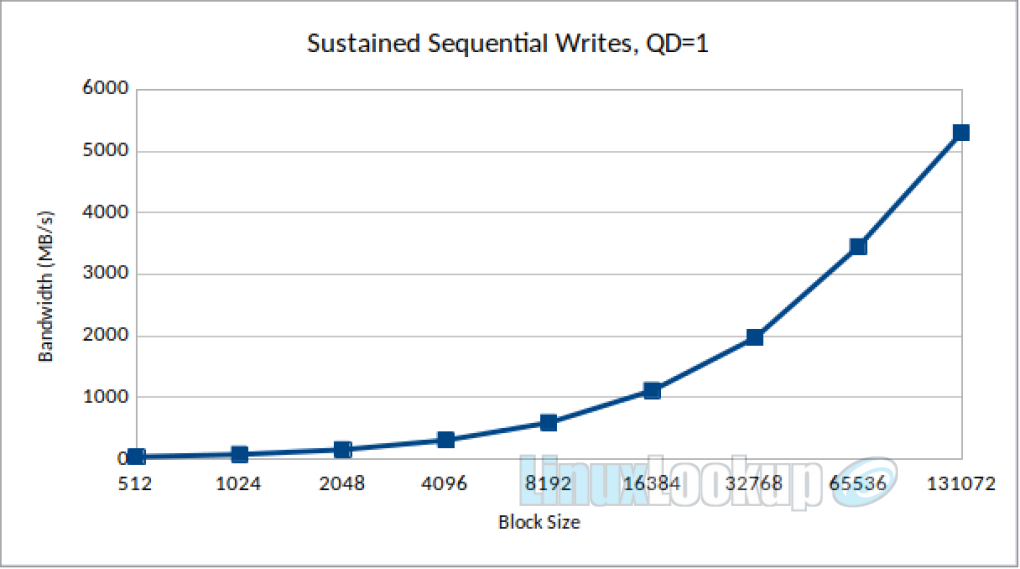
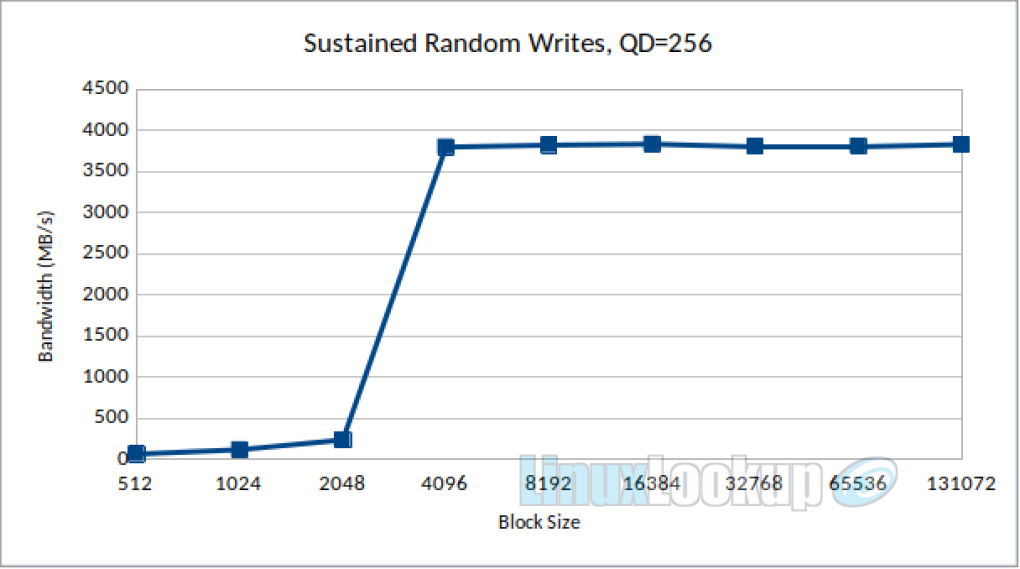
Sequential Writes compared to Random Writes with Identical Block Sizes
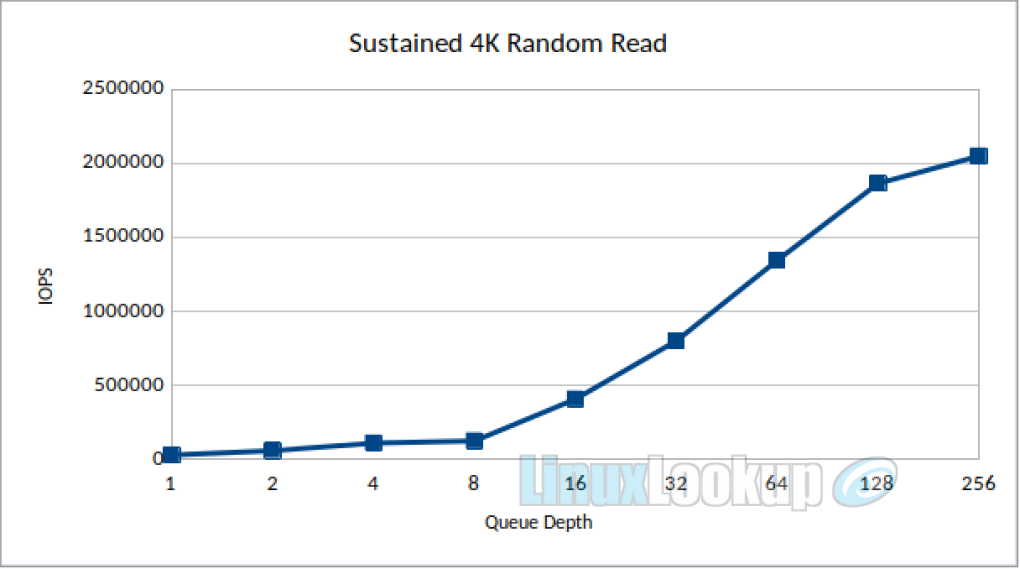
4K Random Read Performance with Varying Queue Depths
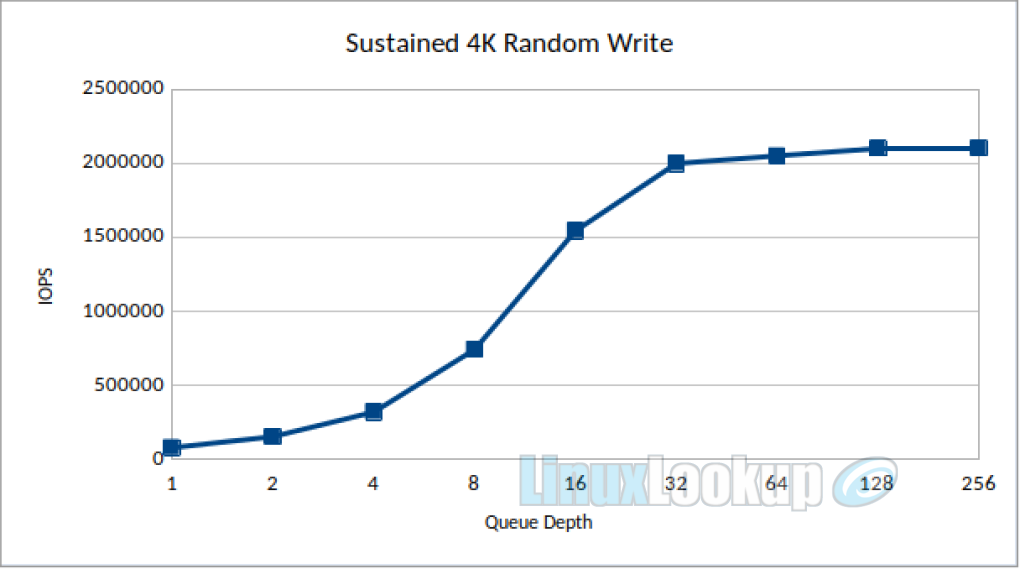
4K Random Write Performance with Varying Queue Depth
Gallery





Conclusion
The Good - Pros- Excellent all-around performance, a true flagship model
- Next generation Sandisk BiCS8 TLC 3D CBA NAND (Kioxia 8th-Gen)
- Single-sided design improves physical compatibility
- Great power efficiency & thermals
- Features SanDisk nCache 4.0
- Good endurance rating
- Five-year limited warranty
The Bad - Cons
- The SanDisk Dashboard software isn't compatible with Linux
The Ugly - Issues
- SanDisk's website fails to list Linux as compatible
The Verdict - Opinion
The SanDisk WD_BLACK SN8100 2TB establishes itself as a true PCIe Gen5 flagship, delivering chart topping performance and ranking among the fastest consumer SSDs available.
Beyond raw speed, it distinguishes itself with strong power efficiency and effective thermals, making it one of the most well-rounded PCIe Gen5 SSDs and a compelling choice for enthusiasts and professionals seeking uncompromised performance. Simply put, it sets a new standard for what a consumer Gen5 SSD should be.